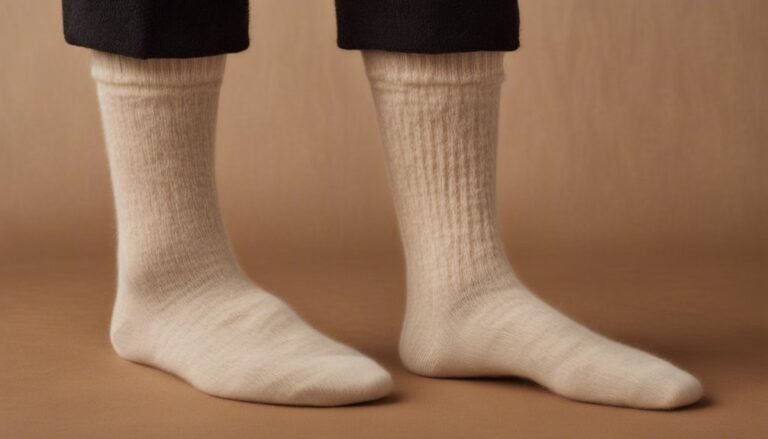
Alpaca Wool Socks vs. Merino Wool Socks: Which Is Warmer for Cold Feet?
When comparing alpaca wool socks to merino wool socks, alpaca comes out on top for warmth. Their hollow fiber structure traps more air, providing superior heat retention that's ideal for cold conditions. While merino wool offers excellent moisture-wicking properties, making it versatile, it isn't as effective in heat retention due to its denser fiber structure. If you're seeking maximum warmth for your feet, alpaca wool is a better choice. You might discover even more helpful insights about wearing them.
Understanding Alpaca Wool: Properties and Benefits

Although you may be familiar with various types of wool, understanding alpaca wool's unique properties and benefits can greatly enhance your choice of socks. Alpaca wool is renowned for its softness, warmth, and lightweight nature, making it an ideal choice for comfort. When considering alpaca sourcing, it's important to emphasize that alpacas require less water and land compared to sheep, greatly reducing their environmental impact. This sustainable aspect positions alpaca wool as an eco-friendly alternative in textile production. Additionally, its natural hypoallergenic properties make it suitable for sensitive skin. The fibers are also more durable and resistant to wear, ensuring longevity in your socks. Ultimately, choosing alpaca wool supports both personal comfort and a more sustainable lifestyle.
Exploring Merino Wool: Characteristics and Advantages
Merino wool stands out in the world of textiles for its remarkable blend of softness, breathability, and thermal regulation. When you consider merino sourcing, you'll find it's often harvested from well-cared-for sheep, ensuring ethical practices and high-quality fibers. This sourcing results in a fabric that feels luxurious against your skin while being highly functional. Merino durability is another essential factor; it withstands wear and tear better than many other wool types, making it a long-lasting investment. Additionally, merino's moisture-wicking properties keep you comfortable by regulating temperature and reducing odors. Whether you're on an outdoor adventure or simply lounging at home, merino wool socks offer a versatile option that combines comfort with practicality, meeting the demands of your active lifestyle.
Warmth Comparison: Alpaca Wool vs. Merino Wool
When comparing the warmth of alpaca wool and merino wool, it is essential to understand their unique insulating properties. Alpaca wool boasts a superior thermal insulation capability due to its hollow fiber structure, which traps more air and provides better heat retention. This results in a warmer feel, particularly in extremely cold conditions. On the other hand, merino wool, while also effective, has a denser fiber structure that may not hold heat as efficiently as alpaca. However, merino's ability to wick moisture can enhance comfort during variable temperatures. Ultimately, if you're seeking maximum warmth, alpaca wool socks may be your best choice, while merino offers a balanced option for those valuing versatility alongside warmth.
Breathability and Moisture Management: A Closer Look

While both alpaca and merino wool socks excel in comfort, their breathability and moisture management properties differ significantly. Merino wool is renowned for its superior moisture-wicking capabilities, effectively pulling sweat away from your skin and allowing it to evaporate. This guarantees ideal thermal regulation, keeping your feet dry and warm. In contrast, alpaca wool has a lower moisture retention capacity, which can lead to a more humid environment inside the sock. While this may be beneficial in certain conditions, it generally results in less effective moisture management. For those seeking freedom in activity, merino wool's breathability and moisture management make it the better choice for prolonged wear during cold-weather adventures, ensuring your feet remain comfortable and dry.
Choosing the Right Socks for Cold Weather Conditions
Choosing the right socks for cold weather conditions can considerably enhance your overall comfort and performance. When selecting socks, consider sock thickness and insulation layers to optimize warmth. Thicker socks generally provide better insulation, while layering can trap heat effectively.
| Sock Type | Thickness | Insulation Layers |
|---|---|---|
| Alpaca Wool | Medium to Thick | 1-2 Layers |
| Merino Wool | Medium | 1 Layer |
| Synthetic Blend | Thin to Medium | 2 Layers |
Evaluate your activity level and the environment. For high-energy activities, you might prefer thinner socks with good moisture-wicking properties, while lower-intensity options could benefit from thicker, warmer socks. Choose wisely to guarantee freedom and comfort during cold weather adventures.
Frequently Asked Questions
Are Alpaca Wool Socks Hypoallergenic?
If you're seeking comfort without irritation, you'll find alpaca wool socks beneficial. They possess hypoallergenic properties, making them suitable for sensitive skin. Plus, their lightweight warmth adds to your freedom in colder conditions.
How Do I Care for Alpaca Wool Socks?
To care for alpaca wool socks, use gentle washing methods like hand-washing or a delicate cycle. For drying techniques, lay them flat to dry, avoiding direct heat to maintain their shape and softness.
Can Merino Wool Socks Cause Itching?
Yes, merino wool socks can cause itching for some individuals due to itch sensitivity. The fiber properties of merino wool, while soft, may still irritate sensitive skin, leading to discomfort during wear if you're prone to irritation.
What Thickness Is Best for Winter Socks?
When hiking in frigid conditions, you'll find medium sock thickness best balances winter warmth and breathability. Thinner socks may lack insulation, while overly thick ones can restrict circulation, compromising your comfort and mobility.
Are There Eco-Friendly Options for These Socks?
When considering eco-friendly options for socks, look for brands that utilize sustainable materials and practice ethical sourcing. These choices not only lessen environmental impact but also support responsible production methods, aligning with your values for freedom and sustainability.