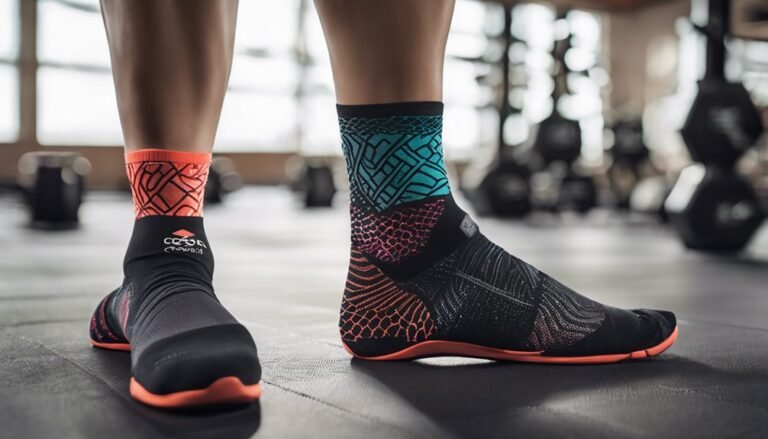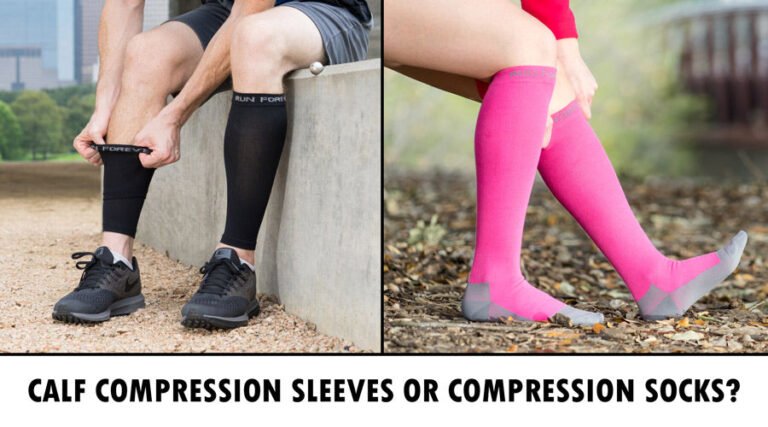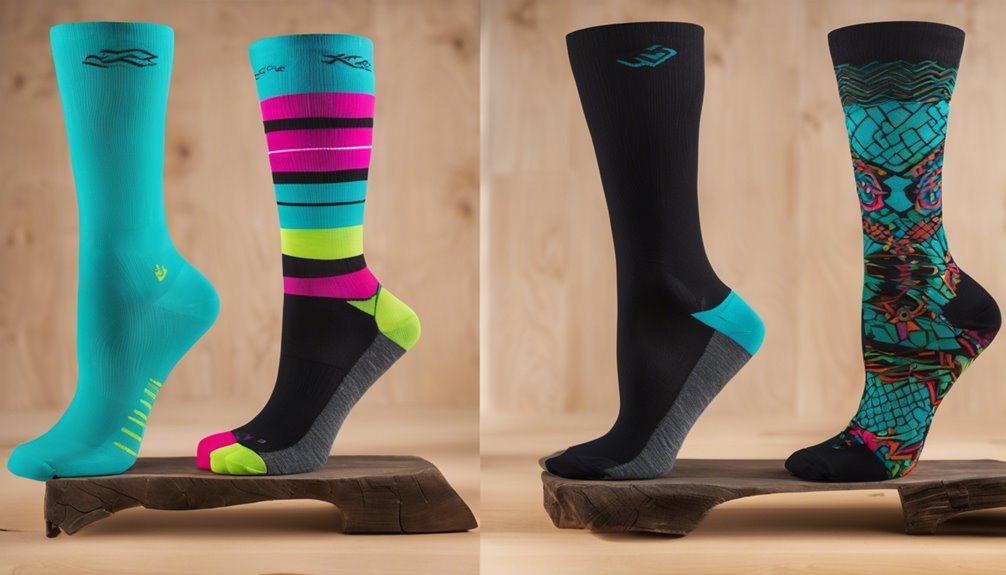
Compression Sock Showdown: Comrad vs. CEP Socks
When choosing between Comrad and CEP socks, it really comes down to your needs. Comrad focuses on stylish comfort for everyday wear, ideal for casual settings and travel. On the other hand, CEP targets athletes with performance-driven designs that enhance circulation and recovery during workouts. Both brands use quality materials and offer varying compression levels, providing distinct benefits. To make the best choice, you'll want to weigh their unique features and how they fit into your lifestyle.
Overview of Comrad and CEP Brands
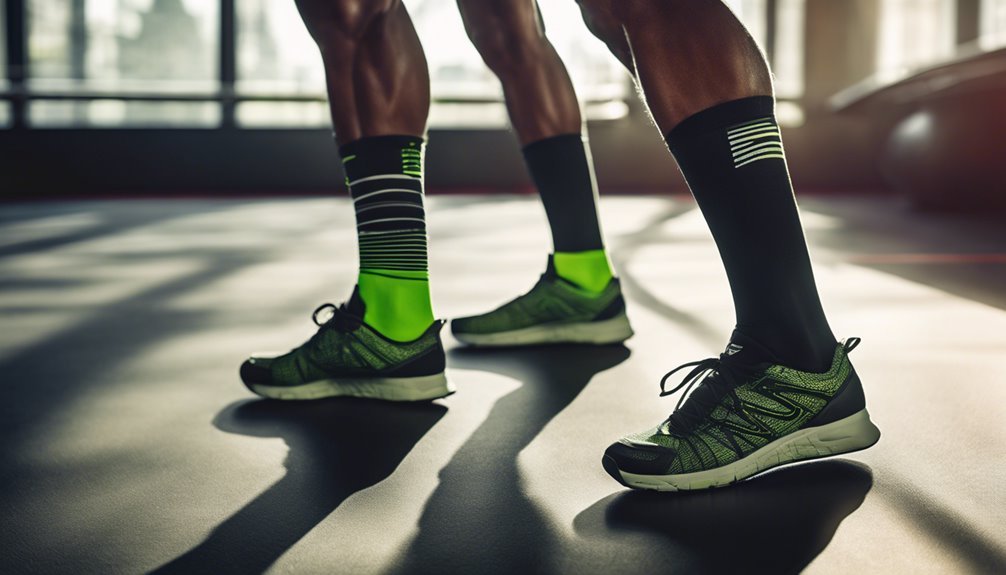
When you're exploring the world of compression socks, you'll likely come across two standout brands: Comrad and CEP. Comrad was founded to blend comfort and style, targeting everyday users who seek both functionality and fashion in their compression wear. With a focus on promoting circulation for those on the go, it appeals to active individuals and travelers alike. On the other hand, CEP has deep roots in the sports community, catering primarily to athletes and fitness enthusiasts. Their brand history emphasizes performance, recovery, and support for athletes pushing their limits. By understanding these brands' target audiences, you can find the perfect compression socks that align with your lifestyle, whether you're seeking style or aiming for peak performance.
Materials Used in Comrad and CEP Socks
When choosing between Comrad and CEP socks, understanding their fabric composition can make a big difference in your comfort and performance. Both brands utilize advanced moisture-wicking technology, but the specific materials they use vary, impacting breathability and durability. Let's explore how these differences could influence your wearing experience.
Fabric Composition Differences
Many people don't realize how much the fabric composition of compression socks can impact comfort and performance. The materials used in Comrad and CEP socks differ markedly, affecting their fabric breathability features and overall effectiveness.
- Comrad Socks: Made primarily from nylon and spandex, they offer a soft feel and good elasticity, promoting comfort during wear.
- CEP Socks: Utilizing a blend of polyamide and elastane, they provide targeted compression, enhancing circulation and support.
- Compression Effectiveness Comparison: While both options deliver compression benefits, CEP socks may offer a more precise fit due to their unique construction.
Choosing the right fabric composition can elevate your recovery experience, letting you enjoy the freedom of movement without sacrificing support.
Moisture-Wicking Technology
Understanding fabric composition is just the beginning when it comes to finding the right compression socks. For effective moisture management, both Comrad and CEP utilize advanced materials designed for optimal sweat control. Comrad socks feature a blend of nylon and spandex that wicks away moisture, keeping your feet dry and comfortable. Meanwhile, CEP incorporates a unique fiber technology that enhances breathability and facilitates rapid evaporation of sweat, ensuring you stay fresh even during intense workouts. These moisture-wicking properties are essential for preventing blisters and discomfort, allowing you to embrace your active lifestyle fully. When choosing between the two, consider how each brand's technology aligns with your specific needs, ensuring you can enjoy freedom of movement without sacrificing comfort.
Design Features and Aesthetics
When choosing compression socks, you'll want to contemplate both the quality of materials and the variety of styles available. High-quality materials not only enhance comfort but also contribute to the longevity of the socks. Plus, with a range of colors and designs, you can find a pair that suits your personal style while still providing the support you need.
Material Quality Comparison
Although choosing the right compression sock often hinges on fit and function, the material quality greatly influences both design features and aesthetics. When it comes to Comrad and CEP socks, you'll notice some key differences in their materials:
- Material Durability: Both brands prioritize durability, but CEP often uses advanced fibers that withstand wear better over time.
- Fabric Breathability: Comrad's blend allows for excellent airflow, keeping your feet cool during active moments, while CEP focuses on moisture-wicking properties.
- Comfort and Stretch: The elasticity of the materials plays a crucial role in comfort, with both brands designed to move with you without losing shape.
Choosing between them comes down to how these material qualities align with your personal needs and lifestyle.
Style and Color Options
How do you choose the perfect pair of compression socks that not only support your legs but also match your personal style? Both Comrad and CEP offer a variety of options that align with current fashion trends, ensuring you don't have to sacrifice style for comfort. Comrad's vibrant colors and fun patterns let you express your individuality, while CEP focuses on classic designs that appeal to a more traditional aesthetic. Understanding color psychology can also guide your choice—bold hues can energize you, whereas softer shades can evoke calmness. Whether you prefer eye-catching designs or understated elegance, there's a pair of compression socks that can elevate your wardrobe while providing the support your legs need. Choose wisely, and enjoy both style and comfort!
Compression Levels and Benefits
Compression socks come in varying levels of compression, typically measured in millimeters of mercury (mmHg), and each level serves distinct benefits for your feet and legs. Understanding these compression levels is key to enjoying their health benefits.
- Mild Compression (15-20 mmHg): Great for everyday wear, providing relief from tired legs and reducing swelling.
- Moderate Compression (20-30 mmHg): Ideal for those with chronic venous issues, helping to manage symptoms and improve circulation.
- High Compression (30-40 mmHg): Often prescribed for serious medical conditions, offering significant support to prevent blood clots and enhance recovery.
Performance During Physical Activity
When you're pushing your limits during physical activity, wearing compression socks can make a noticeable difference in your performance and recovery. Compression benefits, like improved blood flow and reduced muscle vibration, enhance your athletic performance by providing support where you need it most. Studies show that athletes who wear compression socks often experience less fatigue and quicker recovery times. This means you can train harder and longer without the dreaded soreness afterward. Whether you're running, cycling, or hitting the gym, these socks deliver consistent pressure to your legs, reducing the risk of injury. So, if you're looking to elevate your game and maintain that sense of freedom while exercising, investing in quality compression socks could be a game changer.
Comfort and Fit Comparison
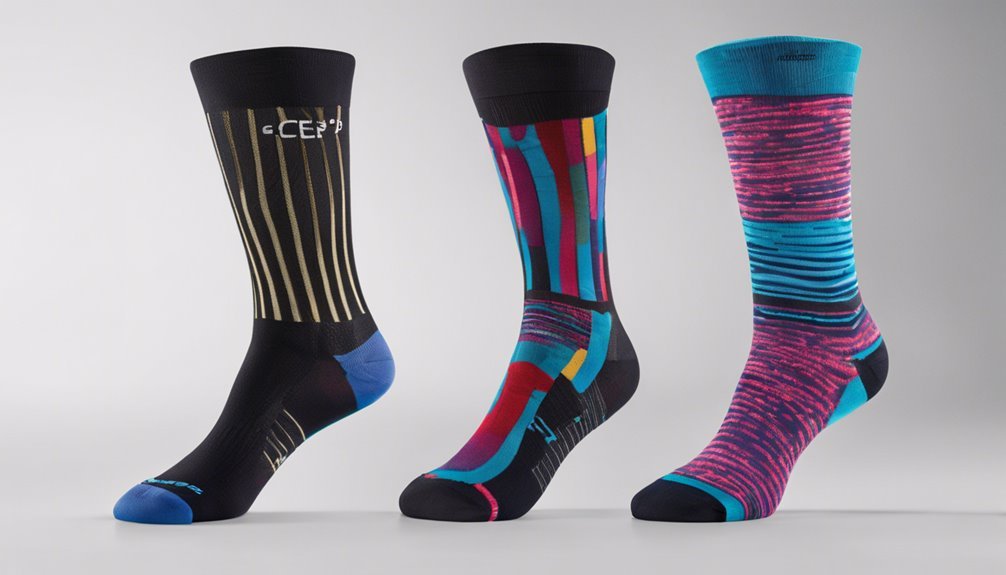
What makes a comfortable fit when it comes to compression socks? It's all about how well they hug your legs without pinching or squeezing. A proper fit can enhance your comfort levels, allowing you to wear them for extended periods. Here are three key factors to take into account:
- Size Options: Different brands offer various sizes, so you can find the perfect match for your legs.
- Material Blend: The right fabric mix impacts breathability and stretchability, contributing to overall comfort.
- Fit Adjustments: Look for socks with features like adjustable cuffs or seamless designs to minimize irritation.
Finding the right balance among these factors can greatly boost your comfort, making your experience with compression socks more enjoyable.
Durability and Longevity
A comfortable fit in compression socks is only part of the equation; durability and longevity are equally important for maximizing your investment. When you're choosing between Comrad and CEP socks, consider their performance in longevity testing. Comrad socks are known for their impressive wear resistance, often lasting through numerous washes while maintaining their compression qualities. On the other hand, CEP socks also excel in durability, designed to withstand rigorous activities without compromising function. If you're planning to wear your socks daily or during intense workouts, this durability guarantees they'll hold up over time. Investing in compression socks that offer both comfort and lasting performance means you can enjoy the freedom of movement without constantly replacing your gear.
Price Point and Value for Money
Finding the right balance between price and quality is essential when it comes to compression socks. You want to feel your best without breaking the bank, right? Let's explore the cost effectiveness of Comrad and CEP socks through a price comparison:
- Comrad Socks: Typically priced lower, these socks offer great value for everyday wear.
- CEP Socks: While they may come at a higher price point, many users swear by their performance and durability.
- Long-term Investment: Consider how often you'll wear them—investing in quality can save you money in the long run.
Ultimately, it's about your personal needs and preferences. Weigh these options wisely, and you'll find the perfect pair that suits your lifestyle without compromising your budget.
Customer Reviews and Feedback
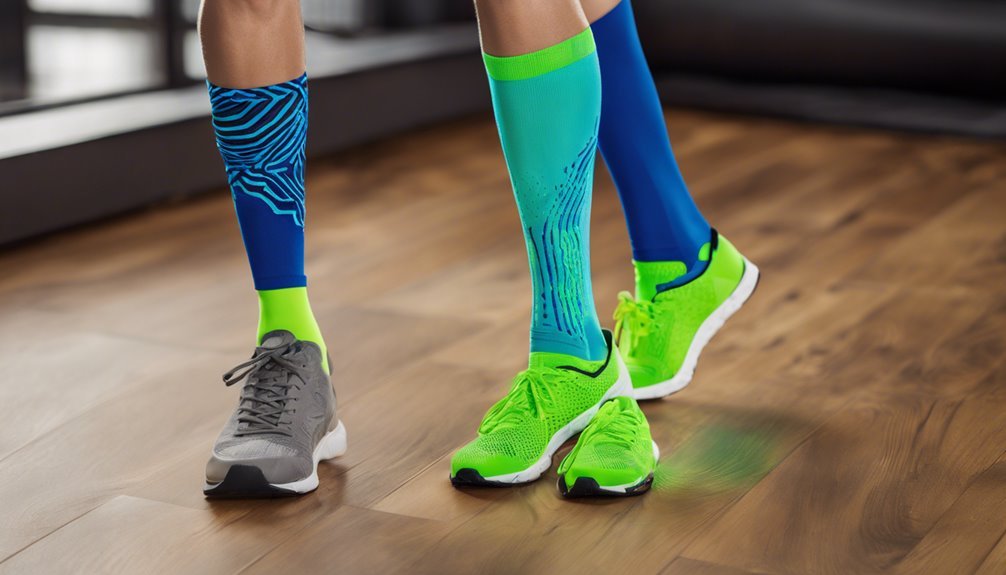
When considering compression socks, customer reviews and feedback play a significant role in helping you make an informed choice. Many users share their experiences with both Comrad and CEP socks, providing valuable insights. A feedback summary reveals that Comrad users often praise the stylish designs and comfort, making them a favorite for everyday wear. On the other hand, CEP socks receive accolades for their performance and support during athletic activities, appealing to active individuals. Customers frequently highlight the fit and durability of both brands, with some noting the compression level's effectiveness in reducing fatigue. By analyzing these customer experiences, you can better understand which brand aligns with your lifestyle and needs, empowering you to choose wisely.
Best Use Cases for Each Brand
While both Comrad and CEP compression socks excel in providing support and comfort, their best use cases can differ markedly based on your lifestyle and activities.
Here are some recommended occasions for each brand:
- Comrad Socks: Ideal for everyday wear, especially during long workdays where you're on your feet. Their stylish designs suit both casual and professional settings.
- CEP Socks: Best for athletic endeavors, particularly running and cycling. They're engineered for performance and recovery, offering targeted compression that helps enhance circulation.
- Travel: Comrad is great for long flights or road trips, while CEP can help athletes recover post-competition.
Choosing the right pair depends on your best activities and what feels most comfortable for your unique needs!
Frequently Asked Questions
Are Comrad and CEP Socks Machine Washable?
Yes, both Comrad and CEP socks are machine washable! For ideal sock maintenance, follow the washing instructions: use cold water, a gentle cycle, and avoid fabric softeners to keep your compression socks in great condition.
Can Compression Socks Help With Travel-Related Swelling?
Compression socks can be your ultimate travel superheroes, tackling travel discomfort like nothing else! They promote circulation improvement, helping reduce swelling and fatigue during long journeys, so you can enjoy every moment of your adventures.
Do Both Brands Offer Options for Different Foot Sizes?
Yes, both brands offer size availability tailored to various foot sizes, ensuring ideal foot comfort. By choosing the right fit, you can enhance circulation and reduce swelling during travel, making your journey more enjoyable.
How Do I Know What Compression Level to Choose?
Imagine standing on a cloud, feeling weightless. When choosing compression levels, consider guidelines like your activity level and comfort. Higher levels boost circulation, but start lower if you're new to compression for the best experience.
Are There Any Contraindications for Wearing Compression Socks?
Yes, there're contraindications for wearing compression socks. If you have certain medical conditions, like severe arterial disease or skin infections, it's essential to follow wearing guidelines. Always consult your healthcare provider before use for safety.