socks for dry feet

Gel-Infused Socks vs. Regular Socks: Which Is Better for Dry Feet?

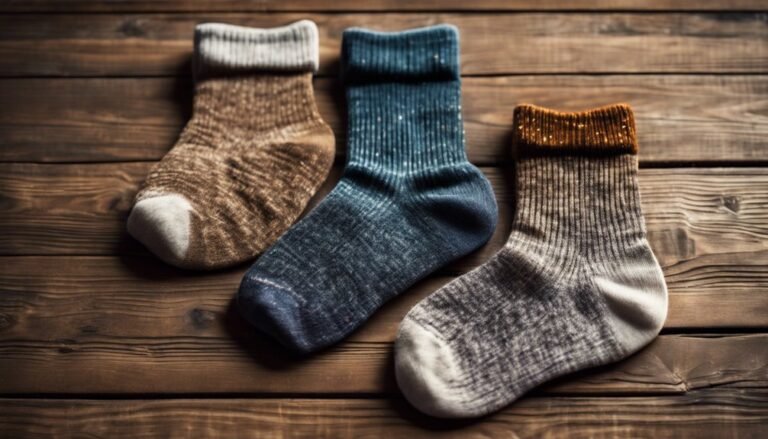
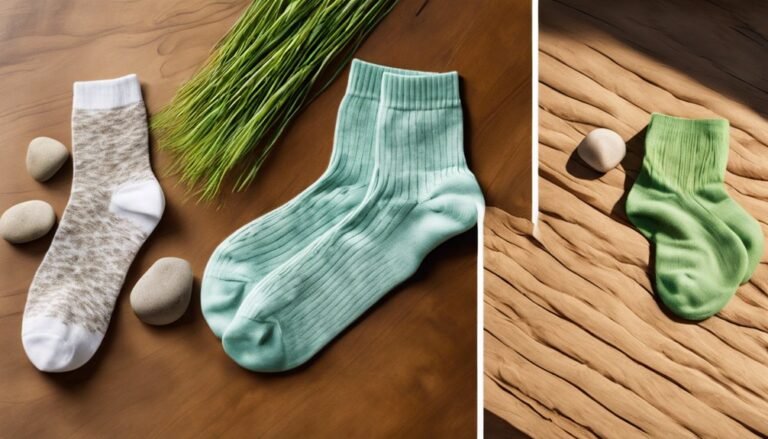
When it comes to keeping your feet dry, gel-infused socks outperform regular ones. Their advanced moisture-wicking technology actively pulls sweat away, ensuring drier feet and reducing blister risks. They also offer superior cushioning that enhances comfort during prolonged wear, making them ideal for active lifestyles. While regular socks may be budget-friendly, gel-infused options provide long-term…

odor reduction in socks

Copper-Infused Socks vs. Regular Socks: Do They Reduce Odor?

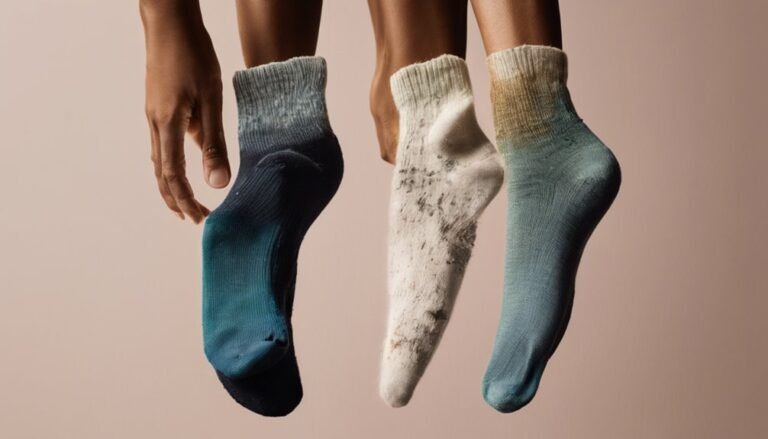
Copper-infused socks greatly reduce odor compared to regular socks. Their superior antimicrobial properties kill up to 99.9% of odor-causing bacteria on contact, keeping your feet fresher. Plus, they enhance moisture-wicking, keeping your feet dry and comfortable. While they come at a higher initial cost, their durability means you'll save in the long run. Curious about…

socks to prevent blisters

Anti-Blister Socks vs. Regular Socks: Are They Worth It?

Anti-blister socks greatly outperform regular socks in preventing blisters and enhancing comfort during physical activities. Their advanced materials wick moisture away, reduce friction, and provide targeted cushioning, which minimizes the risk of irritation and fatigue. While anti-blister socks may cost more upfront, their durability and performance justify the investment for active individuals. If you want…

socks comparison for warmth

Battery-Heated Socks vs. Wool Socks: Which Keeps Feet Warmer?

When comparing battery-heated socks to wool socks, both offer warmth, but their methods differ. Battery-heated socks deliver immediate heat on demand, which is perfect for extreme cold. Wool socks excel in moisture management and breathability, keeping your feet dry and warm through insulation. While heated socks require more care and can have a higher upfront…

socks for warmth comparison

Heated Socks vs. Thermal Socks: Which Is More Effective?

When choosing between heated socks and thermal socks, consider your specific needs. Heated socks use advanced technology to provide customizable warmth, ideal for frigid conditions. They rely on rechargeable batteries and can deliver intense heat, but comfort might vary. In contrast, thermal socks offer reliable insulation using materials like merino wool and synthetic blends, ensuring…

socks for moisture management

Moisture-Wicking Socks vs. Sweat-Absorbing Socks: Which Works Best?

When choosing between moisture-wicking and sweat-absorbing socks, it really comes down to your activity level. Moisture-wicking socks actively draw sweat away from your skin, making them ideal for vigorous activities like running or hiking. On the other hand, sweat-absorbing socks retain moisture, which can be more comfortable for low-intensity workouts or casual wear. Selecting the…

socks for moisture management

Sweat-Resistant Socks vs. Breathable Socks: Which One Works Better?

When deciding between sweat-resistant and breathable socks, consider the activity you'll be doing. Sweat-resistant socks excel in managing moisture during high-intensity workouts, keeping your feet dry and minimizing blisters. On the other hand, breathable socks offer great airflow and comfort for leisurely activities, preventing overheating. If you prioritize performance during vigorous activities, go for sweat-resistant;…

waterproof socks advantages discussed

Rainproof Socks vs. Regular Socks: Are Waterproof Socks Worth It?

When comparing rainproof socks to regular socks, waterproof options excel with advanced materials that keep your feet dry and comfortable in wet conditions. They feature breathable fabrics, thermal insulation, and effective moisture management, which greatly enhance your outdoor experience. While they may have a higher upfront cost, their durability and blister prevention can save you…

socks comparison for summer

Cotton Socks vs. Bamboo Socks: Which Is Better for Hot Weather?

When comparing cotton socks to bamboo socks for hot weather, bamboo typically wins out. Bamboo excels in breathability, allowing for better airflow and moisture-wicking properties, keeping your feet cooler and drier. Its natural antibacterial qualities help prevent odors, while cotton can contribute to a moist environment conducive to bacteria growth. Although durability is a consideration,…

socks designed for winter sports

Snowboarding Socks vs. Ski Socks: Are They the Same?

Snowboarding socks and ski socks aren't the same—they cater to different needs on the slopes. Snowboarding socks are thicker, offering more cushioning for comfort and impact absorption, while ski socks are thinner for a precise fit and breathability. Each type employs unique materials to wick moisture and regulate temperature, ensuring your feet stay dry and…