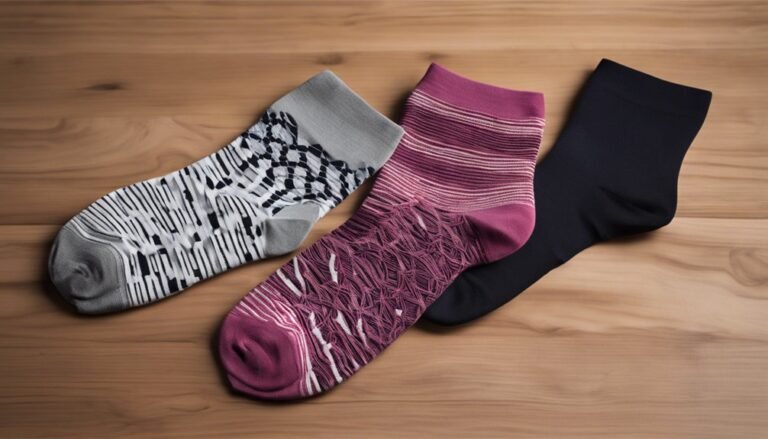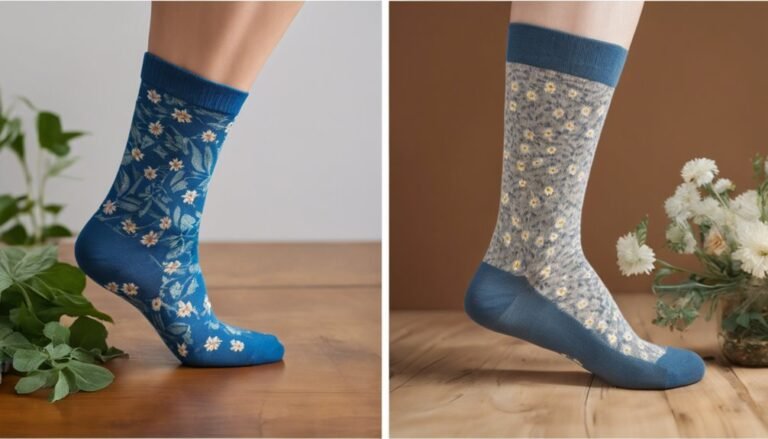
eco friendly sock comparison debate

Plastic-Free Socks vs. Polyester Socks: Which Is More Eco-Friendly?

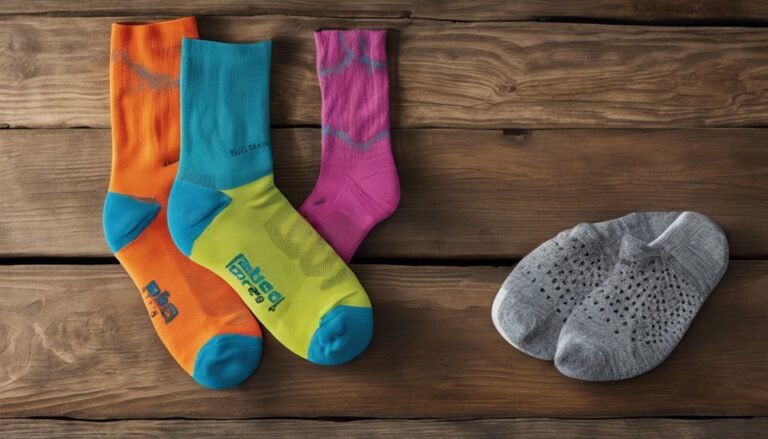
When comparing plastic-free socks to polyester socks, plastic-free options are generally more eco-friendly. They're made from organic, biodegradable fibers that lessen landfill waste and support sustainable practices. Polyester socks, while durable and moisture-wicking, rely on harmful production processes that deplete resources and contribute to pollution. Your choice considerably impacts the environment, and understanding these factors…
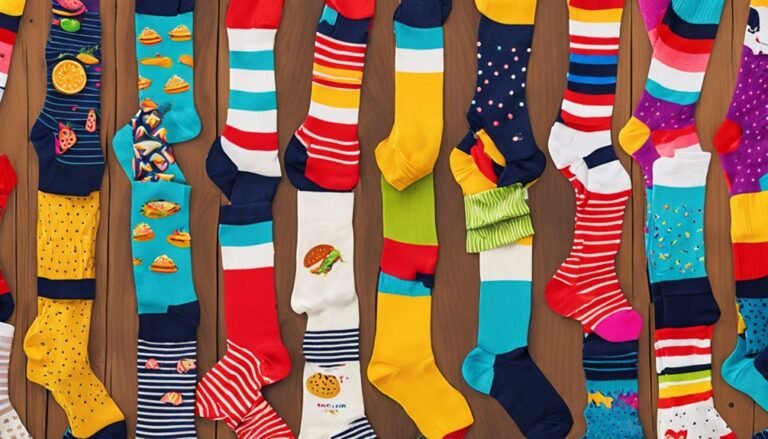
socks design comparison challenge

Happy Socks vs. Sock It to Me: Which Has Better Designs?

If you're torn between Happy Socks and Sock It to Me, it really comes down to your vibe! Happy Socks strut their stuff with bold graphics and vibrant colors perfect for standing out, while Sock It to Me brings whimsical motifs and quirky themes that spark joy. Whether you love eye-catching hues or funky patterns,…

durability of sock production

Mass-Produced Socks vs. Handcrafted Socks: Which Lasts Longer?

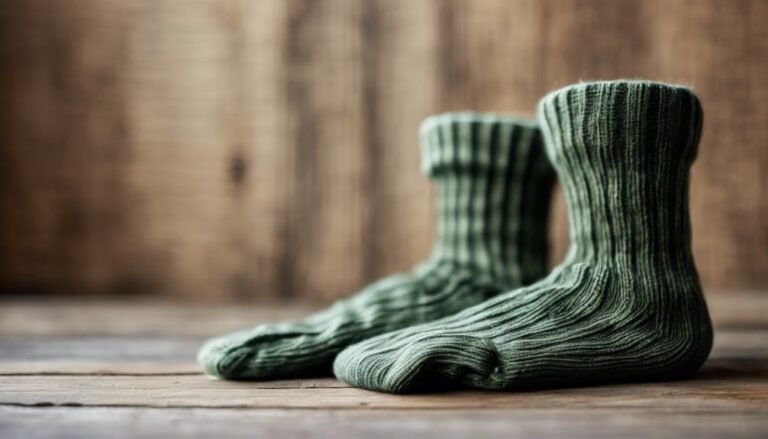
Mass-produced socks usually wear out faster than handcrafted options due to their reliance on synthetic materials and automated production methods. The quality of materials and stitching in handcrafted socks, often made from natural fibers, enhances durability and comfort over time. While mass-produced variants may be more affordable initially, they often require frequent replacements, undermining their…

blister prevention running socks

Feetures vs. Balega Running Socks: Which Helps Prevent Blisters?

When it comes to preventing blisters, both Feetures and Balega running socks feature effective technologies. Feetures offer targeted compression and seamless construction to reduce friction, while Balega emphasizes plush cushioning and moisture-wicking properties to keep your feet dry. Your choice will depend on whether you prioritize support or softness. Each brand has its strengths, so…

sock comparison for hikers

Smartwool vs. Darn Tough Socks: Which Is Better for Hiking?

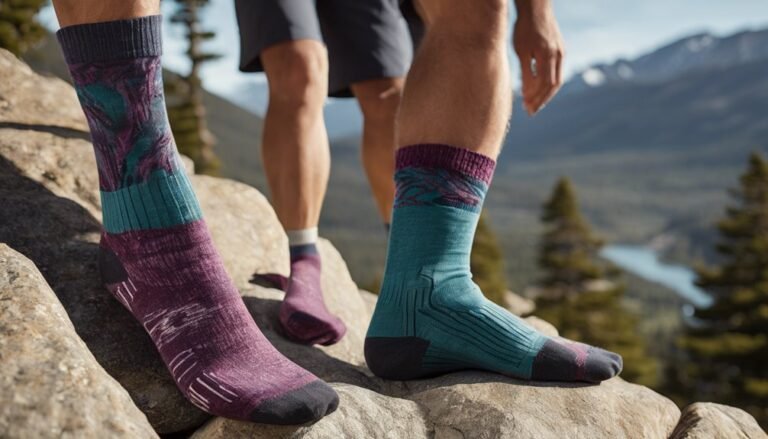
When choosing between Smartwool and Darn Tough socks for hiking, consider your priorities. Smartwool excels in moisture management and comfort, thanks to its merino wool blend, making it great for warmth. Darn Tough, on the other hand, offers remarkable durability and a lifetime guarantee, ideal for frequent hikers. Your choice will depend on whether you…

comfort and support comparison

Bombas vs. Stance Socks: Which Offers the Best Comfort & Support?

When comparing Bombas and Stance socks for comfort and support, Bombas focuses on premium materials and a seamless toe design, ensuring reduced irritation and solid arch support. Stance, on the other hand, blends style with performance, featuring unique cushioning that adapts to your foot movements. Both brands provide ample support, but your choice may hinge…

sustainable sock material comparison

Hemp Socks vs. Bamboo Socks: Which Is More Sustainable?

When comparing hemp socks to bamboo socks, hemp emerges as the more sustainable option. It requires only 600 liters of water during cultivation, starkly lower than bamboo's 1,500 liters. Hemp also avoids chemical inputs, promoting healthier soil, while bamboo needs chemicals that can deplete nutrients. In addition, hemp's rapid growth and lower carbon footprint correlate…

sock moisture management comparison

Nike Dri-FIT vs. Adidas Climacool Socks: Which Keeps Feet Drier?

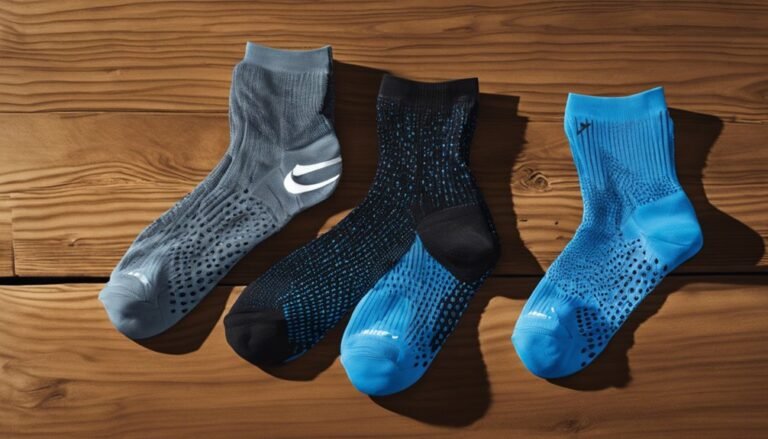
When comparing Nike Dri-FIT and Adidas Climacool socks, Nike Dri-FIT excels in moisture-wicking during intense workouts, keeping your feet drier through advanced fabric that quickly draws sweat away. On the other hand, Adidas Climacool focuses on ventilation, offering breathability for cooler comfort in warm conditions. While both technologies perform well, your choice might depend on…

ethical choice in footwear

Fair-Trade Socks vs. Regular Socks: Does It Make a Difference?

Yes, fair-trade socks make a significant difference compared to regular socks. They guarantee ethical production, support fair wages, and prioritize workers' rights. Unlike regular socks that often use synthetic materials, fair-trade options use sustainable materials, reducing environmental impact. Plus, fair-trade socks tend to be more durable and comfortable. By choosing them, you contribute to positive…

effectiveness of anti odor socks

Anti-Odor Socks vs. Regular Socks: Do They Really Work?

Anti-odor socks definitely work better than regular socks. They feature advanced moisture-wicking materials and antimicrobial treatments that effectively reduce odor caused by sweat and bacteria. Unlike standard cotton blends, these specialized fabrics enhance breathability and resist odor buildup. Regular socks often trap moisture, leading to unpleasant smells and discomfort. Many users report significant improvements in…