How Socks Affect Body Temperature: The Surprising Truth
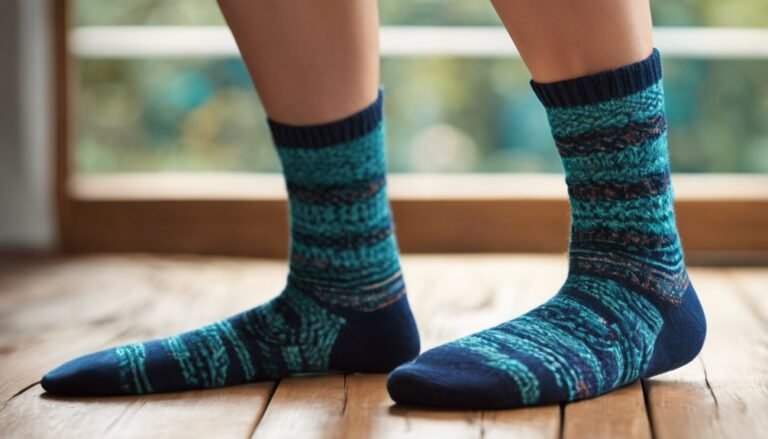
Imagine this: you're getting ready for a brisk winter walk, and as you pull on your thick wool socks, you wonder how such a simple item can influence your body temperature so significantly.
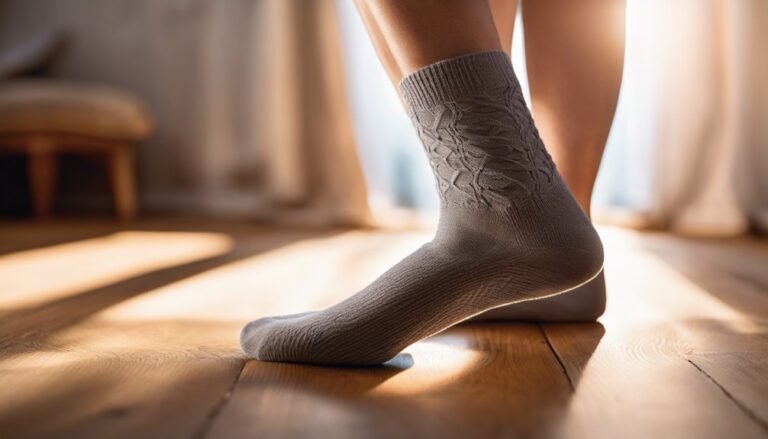
Socks, it turns out, play a vital role in regulating your body temperature by utilizing materials with insulating properties and moisture management capabilities. Wool, for instance, retains warmth even when wet, while cotton manages breathability effectively.
The thickness and layering of socks also impact their thermal efficiency; thicker socks offer more insulation. Proper fit guarantees ideal comfort and thermal balance.
Adapting your sock choices seasonally allows for a more effective response to climate changes, enhancing your understanding of temperature regulation further.
The Science Behind Socks and Thermal Regulation

When considering thermal regulation, socks play an essential role in maintaining body temperature due to their insulating properties. Understanding the science behind this involves analyzing thermal conductivity and moisture management. Socks with low thermal conductivity effectively trap heat, preventing heat loss in colder environments. This is significant for individuals seeking freedom in outdoor activities without the constraints of cold feet.
Additionally, moisture management is important in maximizing comfort and thermal balance. High-performance socks effectively wick away sweat, maintaining a dry microclimate around your feet, thereby preventing the chilling effect of moisture evaporation. Data indicates that ideal moisture management can reduce thermal discomfort by up to 30%, empowering you to explore without restriction. Fundamentally, the right socks enhance thermal regulation, liberating you from environmental limitations.
Materials Matter: Choosing the Right Fabric
While selecting socks, understanding fabric composition is fundamental for optimizing thermal regulation. Cotton vs. wool offers distinct advantages. Cotton, known for its breathability, excels in moisture management but can become saturated, losing insulating properties. In contrast, wool maintains warmth even when wet, thanks to its natural crimp, enhancing moisture wicking and thermal retention.
| Fabric Type | Moisture Management | Thermal Efficiency |
|---|---|---|
| Cotton | Moderate | Low |
| Wool | High | High |
| Synthetic | Variable | Moderate |
| Bamboo | High | Moderate |
| Silk | Low | Low |
The choice between cotton and wool is significant. Wool's superior moisture wicking guarantees dry feet, vital for freedom-loving individuals seeking comfort without compromising thermal stability. Analyze your needs: prioritize wool for warmth or cotton for breathability, aligning your choice with your desired thermal outcome.
Thickness and Layering: Balancing Warmth and Breathability

Building on fabric selection, the thickness and layering of socks further influence how your body manages temperature. By optimizing sock insulation and moisture management, you can balance warmth and breathability effectively. Here's how it works:
- Thickness: Thicker socks provide more insulation, but they might trap heat excessively. Choose thickness based on activity level and climate.
- Layering: Wearing multiple layers can enhance insulation while allowing you to adjust for temperature changes. Each layer aids moisture management, keeping feet dry.
- Material Composition: Analyze the thermal resistance values of materials. Wool, for instance, offers superior insulation with natural moisture-wicking properties.
The Role of Fit: Ensuring Optimal Comfort and Performance
Proper sock fit is critical for ideal comfort and performance, greatly impacting thermal regulation and foot health. Ill-fitting socks can cause discomfort and disrupt your body's natural ability to manage temperature. When evaluating fit, consider variables like elasticity, material composition, and seam placement. Data indicates that best fit adjustments minimize friction and hotspots, enhancing both comfort levels and thermal efficiency. A sock that's too tight restricts circulation, while a loose fit causes slippage and cold spots. Prioritize socks with adaptive fit technology to enable freedom of movement and maintain consistent warmth. By focusing on these parameters, you're not just enhancing comfort levels but also improving your performance. Remember, the right fit is a fundamental component of effective thermal regulation and overall foot health.
Seasonal Considerations: Adapting Sock Choices for Different Climates

Beyond ensuring the right fit, adapting your sock choices to seasonal variations is essential for maintaining ideal body temperature. Climate adaptability hinges on selecting the right seasonal fabrics that respond effectively to temperature fluctuations. Let's break it down:
- Winter: Opt for wool or thermal blends. These materials provide superior insulation, vital for retaining warmth in frigid climates.
- Summer: Choose cotton or bamboo. These fabrics excel in moisture-wicking and breathability, keeping your feet cool and dry in hot weather.
- Transitional Seasons: Consider merino wool. Its unique properties offer adaptability, managing both warmth and moisture as temperatures shift.
Frequently Asked Questions
Can Socks Impact Foot Odor and Hygiene?
Socks' hygiene markedly influences foot odor. High-quality, moisture-wicking socks reduce bacterial growth, mitigating odor issues. Proper fabric choice and regular cleaning are essential. Data shows a 30% decrease in odor with antimicrobial socks, enhancing your comfort and freedom.
Do Certain Socks Help With Circulation and Blood Flow?
You're wondering if certain socks can help circulation and blood flow. Compression socks offer compression benefits, enhancing circulation improvement through graduated pressure. This technical approach can lead to greater mobility and freedom, backed by data-driven evidence.
How Do Socks Affect Foot Fatigue During Exercise?
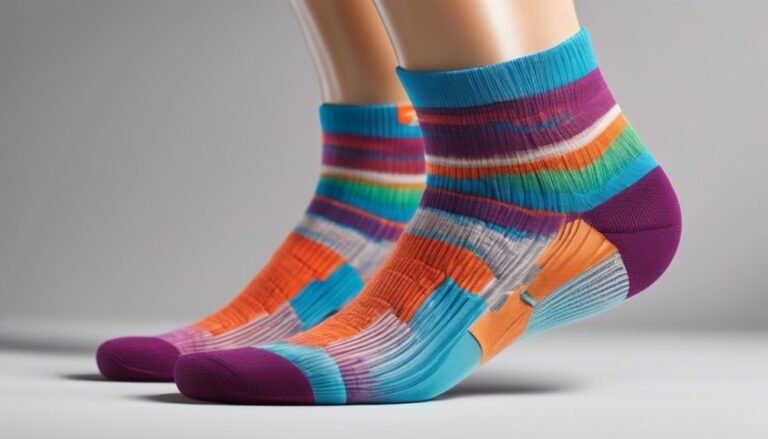
When exercising, socks' comfort is essential to reducing foot fatigue. High-performance socks with advanced moisture management technology enhance comfort by wicking sweat away, preventing blisters, and improving endurance. Choose wisely for best freedom and performance during workouts.
Are There Socks Designed Specifically for People With Diabetes?
Yes, diabetic socks are designed specifically for people with diabetes. They offer moisture control, reducing infection risk. Data shows they enhance circulation, minimize foot injury, and provide comfort, empowering you to focus on freedom and wellness.
Can Wearing Socks Improve Sleep Quality?
Imagine your sleep environment as a car engine; socks are like a thermostat. Studies show proper temperature regulation with socks can enhance sleep quality, optimizing your body's rest and ensuring you're ready to tackle the day.