How Socks Help Prevent Blisters
Socks play a crucial role in preventing blisters by reducing friction and managing moisture between your skin and shoes. Well-fitted socks made from moisture-wicking fabrics minimize sweat accumulation, while added cushioning protects high-friction areas. It's important to guarantee proper sock fit and consider the thickness based on your activity. By choosing the right socks for your needs, you can keep your feet comfortable and blister-free. Explore further to discover additional tips and sock options.
Understanding Blisters: Causes and Prevention
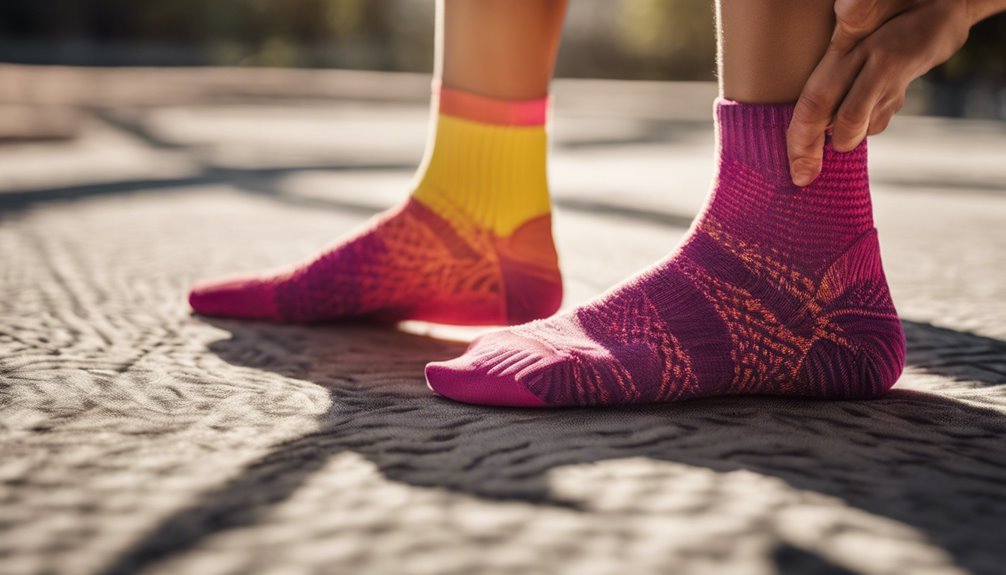
Although blisters may seem like minor annoyances, understanding their causes and prevention is vital for maintaining foot health. Blister formation typically occurs due to friction between your skin and footwear, leading to fluid accumulation beneath the outer layer of skin. To minimize this risk, focusing on friction reduction is essential. You can achieve this by selecting well-fitted shoes that don't rub against your feet. Additionally, wearing moisture-wicking socks can help keep your feet dry, further reducing friction. It's also beneficial to break in new footwear gradually, allowing your feet to adjust. By being proactive about these factors, you can greatly lessen the likelihood of blisters, ensuring your feet remain healthy and comfortable during your activities.
The Role of Moisture-Wicking Fabrics
Moisture-wicking fabrics play an essential role in foot health, particularly in preventing blisters. By employing advanced fabric technology, these materials effectively manage moisture, keeping your feet dry and comfortable. This moisture management is vital during physical activities, as excessive sweat can lead to friction, a primary cause of blisters.
Key benefits of moisture-wicking fabrics include:
- Reducing sweat accumulation
- Minimizing friction against the skin
- Enhancing breathability for temperature regulation
- Supporting overall foot hygiene
When you choose socks made from moisture-wicking materials, you're investing in a solution that promotes foot health and freedom from discomfort. By keeping your feet dry, you're taking a significant step toward preventing blisters and enjoying a more comfortable experience during any activity.
Cushioning and Padding: Protecting Your Feet
When choosing socks, the materials used can greatly impact cushioning and padding. A proper fit is essential to guarantee that your socks provide adequate support without causing irritation. Understanding these factors can help protect your feet from blisters and other discomforts.
Sock Materials Matter
Sock materials play a critical role in cushioning and padding, essential for protecting your feet during various activities. The choice between cotton vs. synthetic fibers can greatly impact comfort and blister prevention.
Consider these key aspects:
- Moisture Absorption: Cotton absorbs moisture but may retain it, increasing blister risk.
- Breathability: Synthetic materials often provide better airflow, keeping your feet drier.
- Cushioning: Look for socks with added padding in high-friction areas for extra protection.
- Durability: Synthetic blends tend to last longer than pure cotton, maintaining their cushioning properties.
Proper Fit Importance
A proper fit is essential for preventing blisters and ensuring overall foot comfort during any activity. When selecting socks, pay attention to sock sizing that corresponds with your foot shape. Ill-fitting socks can cause friction, leading to painful blisters. Socks with appropriate cushioning and padding provide a protective barrier, absorbing impact and reducing movement against your skin. If you have unique foot shapes, consider specialty socks designed to accommodate arch support or wider widths. These factors enhance your comfort and decrease the risk of developing blisters. Remember, the right sock fit isn't just about size; it's about how well they adapt to your feet, allowing you the freedom to move effortlessly without the worry of discomfort.
The Importance of Sock Fit
Choosing the right sock fit is essential for preventing blisters and enhancing comfort. You need to take into account proper size selection, as well as the material and breathability of the sock. Additionally, paying attention to seam placement can further reduce friction and irritation on your skin.
Proper Size Selection
Properly fitting socks are essential for preventing blisters and guaranteeing overall foot health. To achieve the perfect fit, you need to evaluate your foot measurements and refer to size charts. Ill-fitting socks can lead to friction and discomfort, ultimately resulting in blisters. Here are key factors to keep in mind:
- Measure your foot length and width accurately.
- Consult size charts specific to the sock brand.
- Confirm the sock's heel aligns with your heel.
- Look for socks that offer slight elasticity for a snug fit.
Material and Breathability
While the fit of your socks is essential, the material and breathability also play a vital role in blister prevention and overall foot comfort. Choosing socks made from breathable fabrics like merino wool or synthetic blends enhances moisture management, keeping your feet dry during extended wear. When your feet sweat, moisture can accumulate, leading to friction and blisters. Breathable materials wick away sweat, allowing for better airflow and reducing the chance of irritation. This is particularly important for activities that involve prolonged movement, where foot health is critical. By prioritizing socks that offer both a snug fit and superior breathability, you can greatly enhance your comfort and minimize the risk of blisters, allowing you the freedom to enjoy your activities.
Seam Placement Considerations
Although many overlook it, the placement of seams in socks greatly influences fit and comfort. Proper seam placement can help you avoid blisters during physical activities. Different seam types affect how the sock sits against your skin, potentially causing friction.
Consider these aspects when choosing socks:
- Flat seams: Minimize bulk and irritation.
- Seamless designs: Offer a smooth fit, reducing hotspots.
- Reinforced seams: Enhance durability without compromising comfort.
- Positioning: Guarantee seams align with your foot's anatomy.
Selecting socks with appropriate seam placement not only enhances comfort but also contributes to blister prevention. Prioritizing these details can lead to a more enjoyable experience, allowing you more freedom to move without worry.
Types of Socks for Different Activities
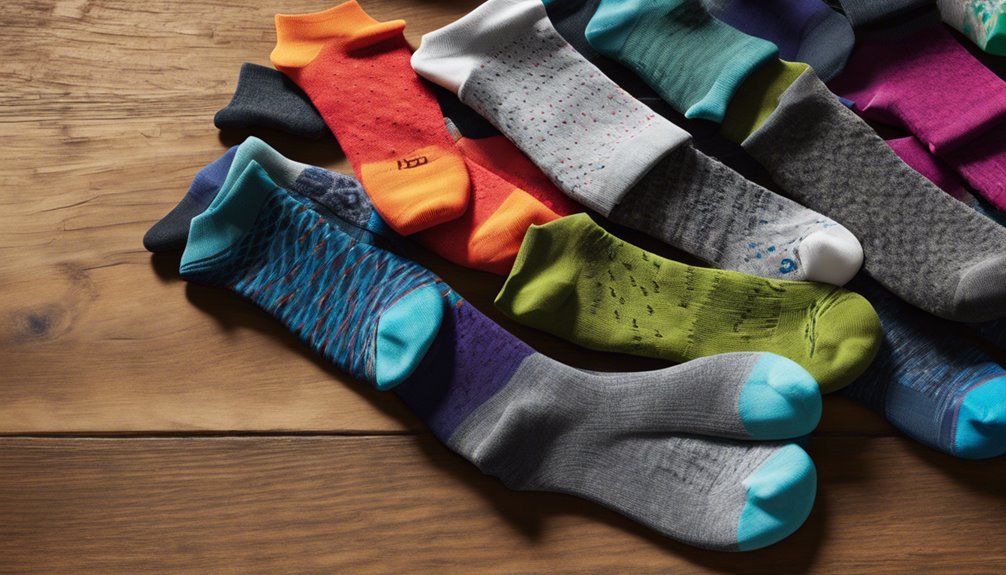
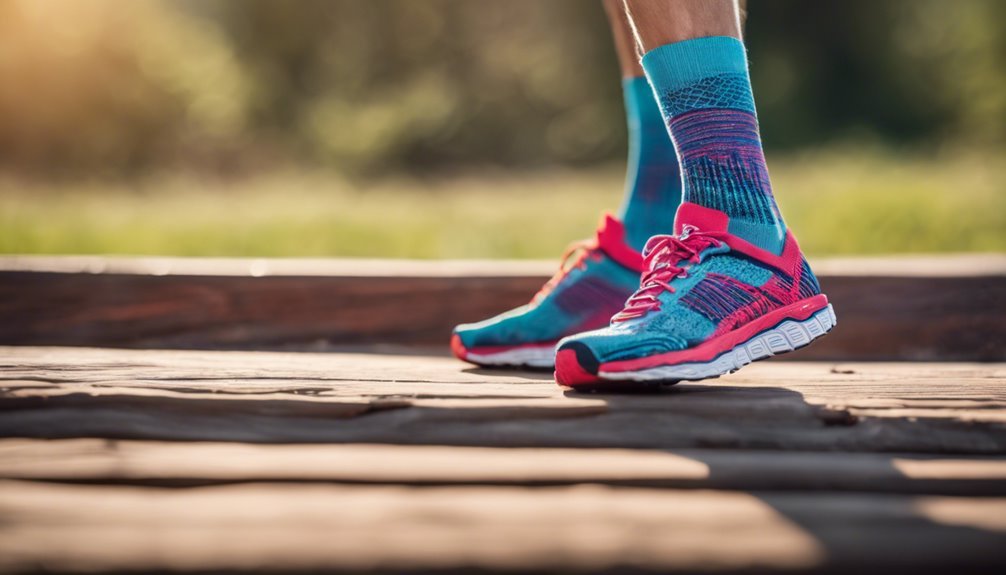
Choosing the right type of sock for your activity can greatly impact comfort and performance. For hiking, opt for hiking socks designed with cushioning and moisture-wicking properties to prevent blisters. If you're running, choose running socks that offer support and breathability. Athletic socks provide versatility for various sports, while dress socks are tailored for formal occasions, emphasizing style over function. Compression socks enhance blood circulation during prolonged activities, aiding recovery. In colder conditions, thermal socks keep your feet warm without adding bulk. For everyday wear, casual socks offer comfort but may lack specialized features. Ultimately, blister resistant socks are essential for anyone prone to irritation, ensuring a smooth experience across all activities. Choose wisely to promote foot health and freedom in movement.
Seamless Design: Reducing Friction
Socks designed with a seamless construction greatly reduce friction against the skin, which is a primary cause of blisters. Utilizing advanced fabric technology, these socks enhance blister prevention by providing a smooth surface that minimizes irritation. Key features include:
- No seams to create pressure points
- Moisture-wicking properties to keep feet dry
- Stretchable materials for a snug fit without constricting
- Durable fabrics that withstand wear and tear
Care and Maintenance of Socks
Proper care and maintenance of your socks is essential to prolonging their lifespan and maintaining their performance. Regular sock washing is vital; always adhere to the manufacturer's instructions regarding temperature and detergent type. Avoid fabric softeners, as they can diminish moisture-wicking properties. After washing, air-drying is recommended to prevent shrinkage and damage from excessive heat.
When it comes to sock storage, keep them in a cool, dry place to prevent moisture build-up and odor. Storing them flat or rolled rather than bunched up can help maintain their shape and elasticity. Implementing these practices guarantees that your socks remain effective in preventing blisters, providing you the freedom to pursue your activities without discomfort.
Choosing the Right Socks for Your Needs
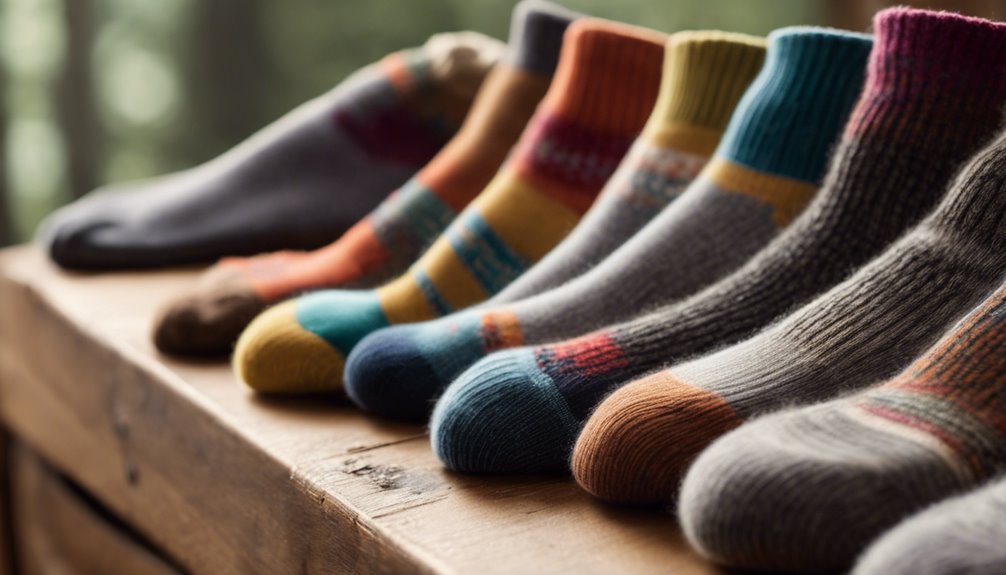
How can you guarantee your socks provide ideal comfort and protection during various activities? Selecting the right socks is essential. Consider the following factors:
- Sock thickness: Thicker socks offer more cushioning but might not fit well in tight shoes.
- Compression fit: Look for socks with a compression fit to enhance blood circulation and reduce fatigue.
- Material: Opt for moisture-wicking fabrics to keep your feet dry and decrease blister risk.
- Activity type: Choose socks designed for specific activities, whether running, hiking, or casual wear.
Frequently Asked Questions
How Often Should I Replace My Socks to Prevent Blisters?
You should replace your socks regularly, ideally every three to six months. Consider sock material and thickness; worn-out socks lose their cushioning and moisture-wicking properties, increasing blister risk during activities. Prioritize comfort for best performance.
Can Wearing Two Pairs of Socks Help Reduce Blisters?
Wearing two pairs of socks can enhance moisture management and reduce friction through sock layering. This combination creates a buffer, minimizing direct contact with your skin, which may effectively lower blister risk during intense activities.
Are There Specific Socks for Hot Weather to Prevent Blisters?
You might think all socks are the same, but specific hot weather socks utilize advanced fabric technology for ideal moisture management. This keeps your feet dry, considerably reducing the risk of blisters during those sweltering days.
Do Compression Socks Help in Blister Prevention?
Compression socks can help in blister prevention by enhancing circulation improvement and providing compression benefits. This increased blood flow reduces friction and promotes comfort, allowing you to stay active without the hassle of painful blisters.
Can Sock Color Impact Blister Formation?
While sock color itself doesn't directly impact blister formation, the sock material can influence moisture management. Color psychology might affect your mood, potentially influencing performance, which could indirectly affect blister risk during physical activities.